01Stilt Houses
Low water leaves the poles bare while a full tide makes the houses look afloat. The front meets the road while the back is built for tying up a boat.
OPEN IN MAPS© Luis Quintero · Pexels License · Pexels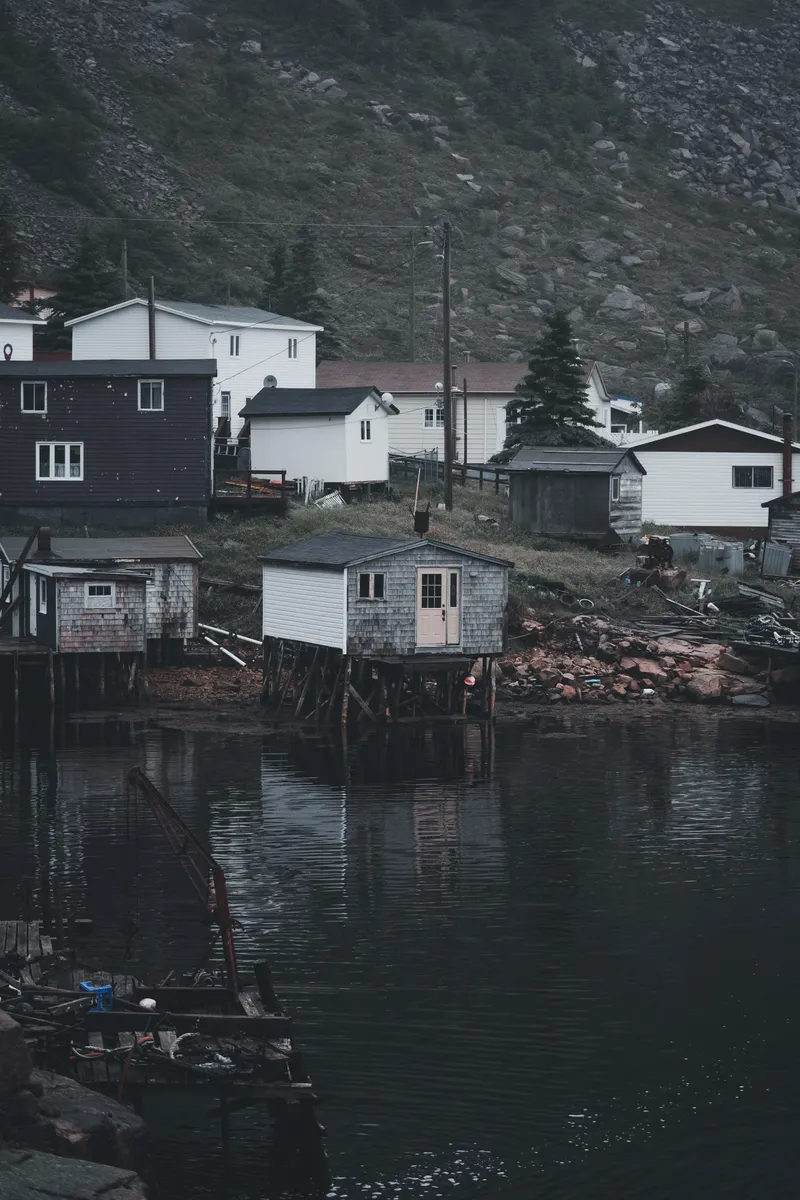
The main town of Chiloe lines its inlet with houses standing on poles above the tide. Sixteen timber churches survive across the island and carry world heritage listing. Rain eases a little from December through March.
Low water leaves the poles bare while a full tide makes the houses look afloat. The front meets the road while the back is built for tying up a boat.
OPEN IN MAPS© Luis Quintero · Pexels License · PexelsYellow and purple sheet metal wraps the exterior, and inside nothing covers the timber. The frame is pegged rather than nailed and the joints show in the ceiling.
OPEN IN MAPS© Toni Clavel · Pexels License · PexelsA wooden pier runs from a hill edge toward the sea and connects to nothing. It comes from an island story of the dead waiting there for a boat.
OPEN IN MAPS© Valeria Drozdova · Pexels License · PexelsJesuits travelling by boat built one church in each village. Shipwright methods were used, so the ceilings take the shape of an upturned hull.
OPEN IN MAPS© Nati · Pexels License · PexelsWetland and temperate rainforest run along the Pacific side. Boardwalks cross the bog and a fox sometimes steps onto the path.
OPEN IN MAPS© Diego Gonzalez · Pexels License · PexelsMagellanic and Humboldt penguins raise young on the same rocky islets. Few places anywhere hold the two species together.
OPEN IN MAPS© Nathan J Hilton · Pexels License · PexelsKnitters bring garments and blankets made from island wool and sell them themselves. It runs on Sunday morning and the best pieces go quickly.
OPEN IN MAPS© Ajin K S · Pexels License · PexelsA blue timber church with three towers stands out as the odd shape on the island. Seen from a boat offshore the three line up together.
OPEN IN MAPS© Gutjahr Aleksandr · Pexels License · PexelsA farm yard shows the digging of the pit and the heating of the stones. When the cover comes off a column of steam draws everyone in.
OPEN IN MAPS© Isaac Suca Fuentes · Pexels License · PexelsYards that build boats from island timber survive along the shore. Planks are bent over a fire and the process is watched from the doorway.
OPEN IN MAPS© Ansh Yati · Pexels License · PexelsTented stalls by the waterfront pier selling island-wool sweaters, socks and baskets. The same piece costs a little differently stall to stall, so it pays to look at several before buying. Small kitchens at the back serve empanadas and seafood broth.
OPEN IN MAPSA timber church in Achao on Quinchao Island, begun by the Jesuits around 1730 and counted the oldest wooden church in Chile. It was first framed with timber dowels, not nails, and painted flowers decorate the interior. A car ferry from Dalcahue crosses over.
OPEN IN MAPSA Spanish fort on the hill above Ancud harbour on Chiloe's north tip, one of the last places Spain held in South America. It passed to Chilean forces in 1826. Cannons still face the sea, with Ancud bay spread out below.
OPEN IN MAPSA small island east of Chiloe, a fishing village of stilt houses and footbridges. Boats are infrequent, so a tour is the reliable way to do it in a day. Some households on the island lay on a pit curanto.
OPEN IN MAPS